
Vision changes
Floaters, flashes, sudden blur—what can wait for routine care and what cannot.
Read guide →Silver Wellness Guide publishes short, evidence-informed articles in calm layouts with larger type. We focus on habits you can discuss with your clinician: sleep routines, safe movement, blood pressure logs, medication lists, and when to seek urgent care.
If you help someone manage appointments, start with a shared medication list and a simple symptom diary (date, time, what happened). Our medicine list template is designed to print on one page.
Floaters, flashes, sudden blur—what can wait for routine care and what cannot.
Read guide →
Seasonal patterns, pneumococcal categories, and shingles timing—conversation starters for your clinician.
Read guide →
Energy, temperature, pulse changes—and why labs do not tell the whole story alone.
Read guide →
Wake time, light, fluids, and red flags that deserve a sooner call to your clinician.
Read guide →
Sunscreen habits, changing moles, and annual skin exams worth scheduling.
Read guide →
Vitamin D, weight-bearing walks, and talking about DEXA timing.
Read guide →
Protein at breakfast, hydration cues, and gentle fiber increases.
Read guide →
Chair stands, balance near a counter, and ankle habits that support stairs.
Read guide →
Sorting normal slips from patterns that deserve a cognitive screen.
Read guide →
Prescription and over-the-counter items, vitamins, allergies, and “as needed” dose ranges.
Read guide →
Fluids, blood pressure partnership, and what labs trend together.
Read guide →
Earlier sipping, heart/kidney balance, and bathroom timing that fits real life.
Read guide →
Chest pressure, new shortness of breath, and why “indigestion” still gets checked.
Read guide →
TV clarity, crowded rooms, and when to retest after illness or medications.
Read guide →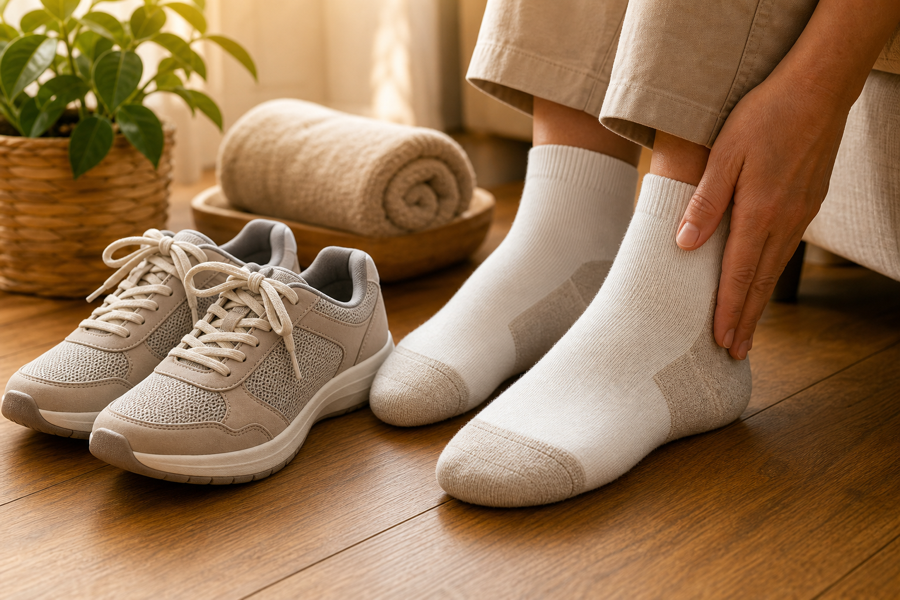
Daily checks, shoe fit, and when a blister becomes urgent.
Read guide →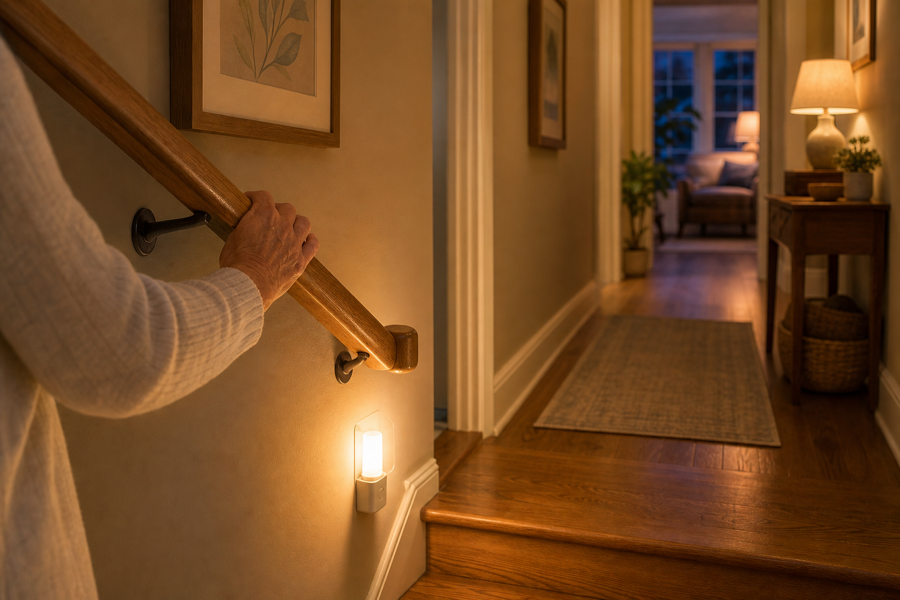
Night lights, trip hazards, vision checks, and when a walking aid is a confidence tool—not a defeat.
Read guide →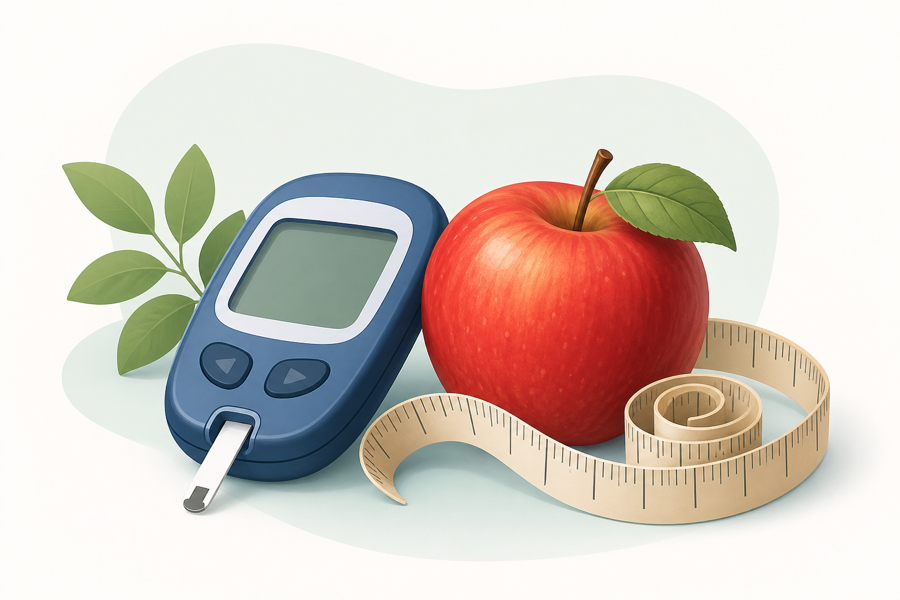
Portion patterns without obsessive scale use; when home glucose checks help.
Read guide →
Mood is medical—not a character flaw. Treatments that work for older bodies.
Read guide →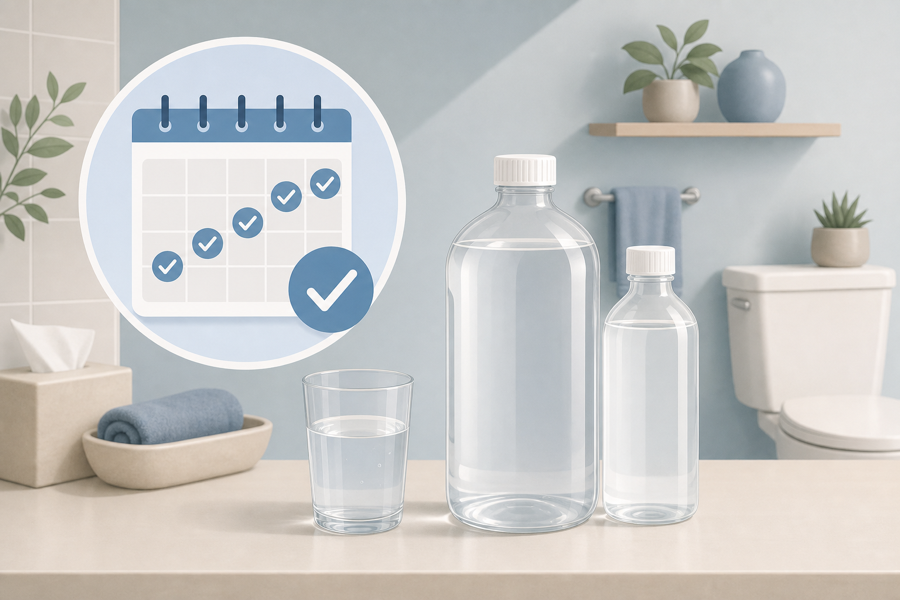
Clear liquids, timing, rides home, and why shortcuts risk repeat procedures.
Read guide →
Heat, cold, movement snacks, and medication questions for your clinician.
Read guide →
Small boundaries, respite options, and how to ask siblings for specific help.
Read guide →Arm position, rest minutes, and how many readings to bring to your visit.
Read guide →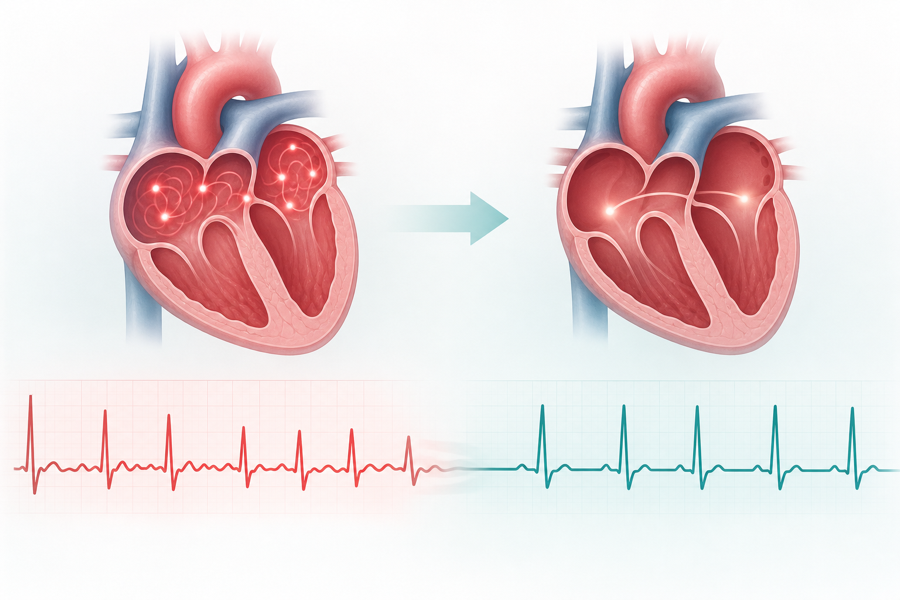
Pulse checks, stroke prevention, and rhythm vs. rate control in plain language.
Read guide →
Agent, values, and where to store documents so they exist in an emergency—not only in a desk drawer.
Read guide →TV clarity, crowded rooms, and when to retest after illness or medications.
Read guide →
Fluids, blood pressure partnership, and what labs trend together.
Read guide →
Vitamin D, weight-bearing walks, and talking about DEXA timing.
Read guide →
Sorting normal slips from patterns that deserve a cognitive screen.
Read guide →
Energy, temperature, pulse changes—and why labs do not tell the whole story alone.
Read guide →
Daily checks, shoe fit, and when a blister becomes urgent.
Read guide →
Mood is medical—not a character flaw. Treatments that work for older bodies.
Read guide →
Earlier sipping, heart/kidney balance, and bathroom timing that fits real life.
Read guide →
Heat, cold, movement snacks, and medication questions for your clinician.
Read guide →
Clear liquids, timing, rides home, and why shortcuts risk repeat procedures.
Read guide →
Pulse checks, stroke prevention, and rhythm vs. rate control in plain language.
Read guide →
Sunscreen habits, changing moles, and annual skin exams worth scheduling.
Read guide →